
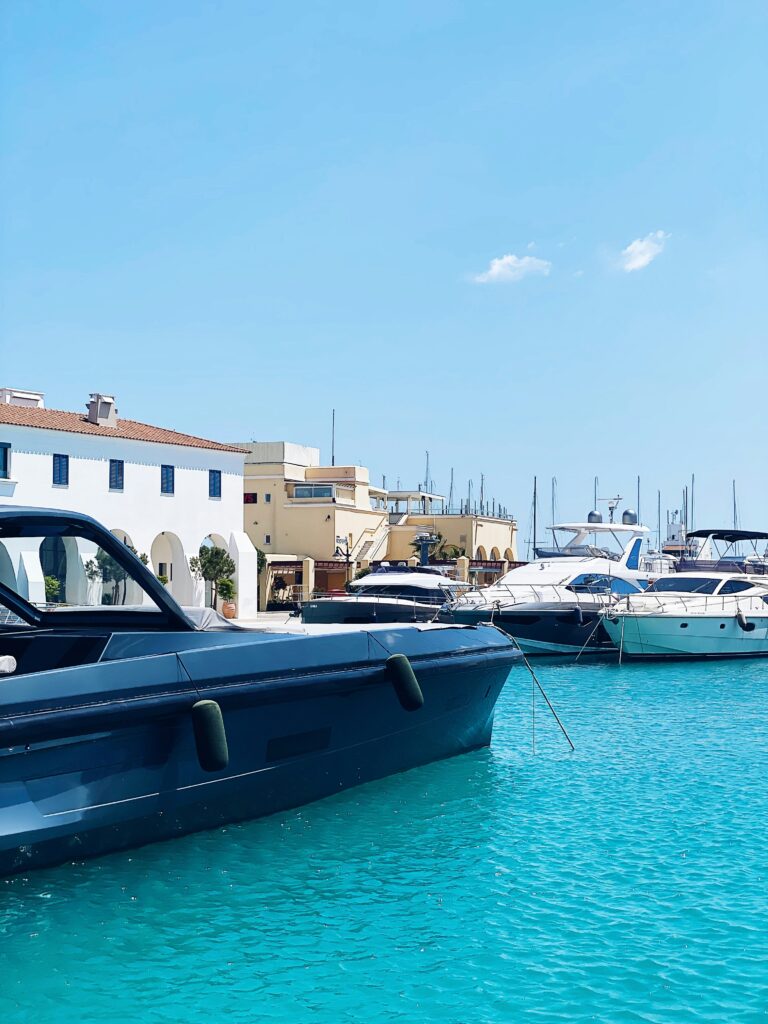
Cyprus enters 2026 with one of the largest merchant fleets in the European Union and a maritime framework that has just been overhauled. A new law routes shipping companies to a dedicated Registrar through a single point of contact, the CYSh1P digital portal has gone live, and broad stamp-duty reform took effect on 1 January 2026. For shipowners, charterers and ship managers weighing the Cyprus flag, the combination of an EU-approved tonnage tax system and these reforms makes 2026 a natural moment to register.
Table of Contents
- Why register a ship under the Cyprus flag
- Who can register a ship in Cyprus
- The three types of registration
- The ship registration process, step by step
- The Cyprus Tonnage Tax System explained
- Who qualifies: owners, charterers and managers
- Green incentives and the seafarer scheme
- What changed in 2026
- Costs, timelines and ongoing obligations
- Frequently asked questions
This guide explains how ship registration in Cyprus works, who is eligible, and how the tonnage tax system turns a vessel's net tonnage — rather than its profits — into a predictable annual tax bill. It also walks through the 2026 reforms that every owner and manager should factor into their planning. It is general information, not advice on any specific vessel or corporate structure.
Why register a ship under the Cyprus flag
Cyprus is a full European Union member state, and the Cyprus flag is a recognised EU flag that sits on the white lists of the Paris and Tokyo Memoranda of Understanding on port state control. That reputation matters commercially: a white-listed flag means fewer port inspections and smoother access to ports worldwide. The registry is among the largest in the EU and is administered by the Shipping Deputy Ministry through the Department of Merchant Shipping.
The fiscal case is equally strong. Qualifying shipping activity is taxed under the tonnage tax system rather than ordinary corporation tax, and there is no further Cyprus tax on dividends paid out of shipping profits, on the profit from the sale of a qualifying ship, or on interest earned on funds used for shipping operations. Layered on top of an English-common-law legal system and an extensive double-tax-treaty network, the Cyprus flag offers owners both predictability and protection.
Who can register a ship in Cyprus
A ship qualifies for the Cyprus register where more than half of its shares are owned by Cypriot or other EU/EEA citizens, or where it is wholly owned by a corporation incorporated in, and with its registered office in, Cyprus or another EU/EEA member state. Most international owners therefore register through a Cyprus shipping company — a Cyprus-incorporated entity that holds title to the vessel. This structure lets non-EU beneficial owners access the flag while keeping ownership inside an EU framework.
Vessels of essentially any type and size may be entered in the Cyprus Register of Ships or the Special Book of Parallel Registration, provided they meet the conditions on age and type set out in the merchant shipping legislation and Department of Merchant Shipping circulars. Older tonnage and certain vessel types attract closer scrutiny, so eligibility should always be checked against the current circulars before an application is filed. Owners structuring the vessel-owning entity may find the firm's guidance on shareholder agreements in Cyprus useful.
The three types of registration
Cyprus offers three routes onto the flag. Provisional registration is the usual starting point: it gives an owner up to nine months (six months, plus a three-month extension) to complete the formalities of deletion from the previous flag and the documents needed for permanent registration. A Provisional Certificate of Cyprus Registry is issued and is valid for six months.
Permanent registration must be effected within six months of provisional registration — nine if the extension has been obtained — once measurement, surveys and documentation are complete. The third route, bareboat or parallel registration, comes in two forms. Parallel-in allows a foreign-flagged ship bareboat-chartered to a Cyprus shipping company to fly the Cyprus flag, typically for two years; parallel-out allows a Cyprus-flagged ship to be bareboat-chartered into a foreign register for the duration of the charter.

The ship registration process, step by step
In practice, registration begins with the owning entity: international owners typically incorporate or identify a Cyprus shipping company and appoint an authorised representative in Cyprus to deal with the Department of Merchant Shipping. The provisional registration application can be filed in Cyprus or at a Cypriot consular office abroad, which is useful when a vessel is delivered overseas.
Once the Provisional Certificate is issued, an entry inspection of the ship must be carried out no later than three months from the date of provisional (or parallel-in) registration, or within one month of permanent registration if the vessel is registered permanently from the outset. The owner then completes deletion from the former flag, tonnage measurement and statutory surveys, and applies to convert the provisional entry into permanent registration within the six- or nine-month window.
The Cyprus Tonnage Tax System explained
The Tonnage Tax System (TTS) is the heart of the Cyprus offering. It is governed by the Merchant Shipping (Fees and Taxing Provisions) Law 44(I)/2010, as amended, and was approved by the European Commission as compatible with the EU Guidelines on State aid to maritime transport. That approval prolonged the system — together with the seafarer scheme — until 31 December 2029, giving owners a long horizon of fiscal certainty.
Under the TTS, a shipping company's annual tax is calculated on the net tonnage of its qualifying ships, not on what those ships earned. A profitable year and a loss-making year produce exactly the same tonnage tax bill, and that bill replaces corporation tax on qualifying shipping income. For owners of large or efficiently run fleets, the result is a low and entirely predictable cost of carrying the flag.
Who qualifies: owners, charterers and managers
Three categories of beneficiary can use the system: qualifying owners of Cyprus and foreign ships, charterers, and ship managers. For owners of Cyprus-flagged vessels, entry into the TTS is automatic on registration — no separate application is required. Owners of foreign-flagged ships, charterers and ship managers may elect into the system, provided they are Cyprus tax residents and their fleet satisfies the Community-flagged share requirement, under which a minimum proportion of the fleet must fly an EU or EEA flag.
Those electing in apply through the electronic Tonnage Tax System (eTTS) using the prescribed form, and the election carries a minimum commitment period of ten years. Ship managers must also meet substance and operational criteria — such as maintaining a fully fledged office in Cyprus and employing sufficient qualified personnel — to qualify under the management limb. Group reorganisations that move vessel-owning entities into Cyprus often run alongside mergers and acquisitions in Cyprus.

Green incentives and the seafarer scheme
Cyprus has built environmental performance into the tax. Qualifying owners of Cyprus or EU/EEA-flagged ships that adopt approved mechanisms to reduce emissions and the climate impact of their vessels can obtain a reduction of up to 30% of the tonnage tax otherwise payable. This green incentive rewards investment in cleaner operations and aligns the flag with the direction of EU and IMO decarbonisation policy.
The approved scheme also includes the seafarer element, under which qualifying seafarers serving on qualifying Cyprus ships benefit from a favourable income tax treatment. Together, the tonnage tax and seafarer measures form the package the European Commission cleared as compatible State aid through to the end of 2029.
What changed in 2026
The headline reform is the move to a shipping one-stop-shop. Cyprus has passed legislation to establish a dedicated Registrar for shipping companies within the Shipping Deputy Ministry, so that matters currently handled by the Registrar of Companies — annual filings, corporate governance and similar — can be dealt with in one place by an authority that understands how shipping is taxed. The CYSh1P digital portal, launched in August 2025, brings ship registration, registry transactions, technical and environmental matters, seafarer certification and tonnage tax services onto a single platform.
Owners should also note Cyprus's broader stamp-duty reform taking effect from 1 January 2026, which is reported to remove stamp duty from a wide range of commercial instruments; its precise application to ship sale and purchase agreements, mortgages and charterparties should be confirmed for each transaction. In parallel, evolving SOLAS requirements and Department of Merchant Shipping survey circulars mean owners registering or reflagging in 2026 should budget for a broader pre-registration survey scope. Specific advice on any individual vessel is recommended.
Costs, timelines and ongoing obligations
The cost of carrying the Cyprus flag has two main parts: registration and related fees at entry, and the annual tonnage tax calculated on each qualifying ship's net tonnage. A straightforward provisional registration can often be completed within days where the company and documentation are ready, with permanent registration following inside the six- or nine-month window.
Ongoing obligations include maintaining class and statutory certification, meeting safe-manning requirements, undergoing periodic surveys, and filing the annual tonnage tax return through the eTTS. Keeping the owning company in good standing — now increasingly managed through the shipping Registrar and CYSh1P — is part of preserving the vessel's status on the register. The firm's Maritime & Admiralty team and EU & Competition team advise on registration, tonnage tax and State-aid-compliant structuring.
Frequently Asked Questions
How long does it take to register a ship in Cyprus?
Provisional registration can often be arranged within a few working days where the owning company is in place and the documentation is ready. Permanent registration must then be completed within six months of the provisional entry, extendable by a further three months.
Is the Cyprus flag an EU flag, and is it on the white list?
Yes. Cyprus is an EU member state, the flag is an EU flag, and it appears on the white lists of the Paris and Tokyo Memoranda of Understanding on port state control.
How is Cyprus tonnage tax calculated?
It is based on the net tonnage of each qualifying ship, not on the ship's profits. The annual bill is the same whether the vessel had a profitable or a loss-making year, and it replaces corporation tax on qualifying shipping income.
Can a non-EU company register a ship in Cyprus?
A non-EU beneficial owner typically registers through a Cyprus shipping company — a company incorporated in Cyprus that owns the vessel — which satisfies the EU/EEA ownership condition for the register.
How long is the tonnage tax system guaranteed?
The European Commission approved the system as compatible State aid through to 31 December 2029, giving owners certainty over the medium term.
Speak to Connor Legal
Connor Legal advises shipowners, charterers, ship managers and financiers on Cyprus ship registration, the tonnage tax system and the 2026 reforms. To discuss flagging a vessel or structuring a Cyprus shipping company, contact the firm.